What is a Plantar Wart

What is a Plantar Wart?

Warts or Verrucas – commonly referred to on the feet as plantar warts or verruca pedis, are caused by a common virus that can be very painful on the sole of the foot.  The virus is a benign type of Human Papilloma Virus (HPV). The HPV virus has 100’s of different strains and each varying in severity. The HPV virus is responsible for cold sores around  the mouth, and in a  different (more aggressive strain) is responsible for cervical cancer. HPV is commonly picked up in moist, warm environments, such as swimming pools and wet areas such as bathrooms.  It is transmitted by direct contact, however if you have a small crack, scratch or sore it is  easier again. People with a weakened immune system can be more vulnerable to developing warts.

Did you know that  in children 90% of warts usually resolve themselves within two years and 50% disappear within 6 months. Regrettably warts are more stubborn in adults. Evidence shows that most people will have a wart in some form, at some point in their life.

Warts can be tricky to treat, as we need your immune system to help rid your body of this virus. These clever warts avoid your immune system by wrapping and disguising itself in skin tissue. It is essentially a “shields Up” response once it has found itself to you.. 

What Do Plantar Warts Look Like?

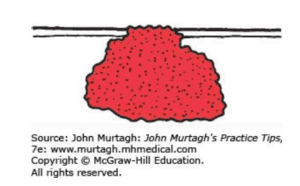
Generally they appear as an elevated spherical bump with a cauliflower look, however when they are on sole of your foot they don’t grow out, they grow inwards due to the pressure of standing and walking. Most people report that “they appear from out of the blue”. 

Warts on the sole of your foot can have an iceberg effect, so what you see may not be the true size of the wart, as pictured below.
How do you treat Plantar Warts?

First of all, if you are  pregnant, are living with diabetes, cancer or reduced immunity, have numbness in the area or poor circulation, please seek  advice from your podiatrist or Doctor.

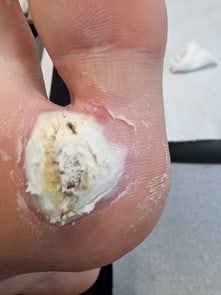
There are many options available in your chemist for wart treatments however when not used correctly they can lead to problems like this:
At Umina Podiatry we will develop a treatment plan individualised for your circumstances.  So please let us know what treatments you have tried so far.

There is no “gold standard” to treating or eradicating warts, so your podiatrist may interchange treatment options during your treatment.

Treatment options we will consider:

  • Topical Treatments – such as paints, pastes or patches.
  • Cryotherapy (Freezing)
  • Needling
  • Surgery
  • Laser or microwave treatment.
  • And in some cases, no treatment is the best treatment.

Most treatments for warts will take several weeks. We talk more about treatment here.

Warty FAQs


Are Warts contagious?

Yes, they are contagious and spread by direct contact. Do not share towels, and avoid going barefoot in common areas.  Cleaning the bottom of the shower after use is advised. 
Also be aware that children can and do pick and scratch at the warts, so they may spread them to other parts of the foot or fingers. Consider covering warts with a dressing to avoid spreading.

If you have wart, ensure you change your shoes and socks daily.

Can warts be prevented?

You can certainly minimize the chances of getting the virus by wearing thongs into public wet areas and around the swimming pool.

Isn’t there a vaccine for HPV?

Yes there is a vaccine for HPV but this primarily targets anogenital warts to prevent cervical cancer.  There have been anecdotal reports that have seen the clearance of other warts once this vaccine has been given, especially in girls, as they receive two doses of this vaccine.

Can I treat my warts at home?

Your podiatrist will work with you, and in some cases you can and will be able to do some of the treatment at home yourself. We still recommend regular check in’s with your podiatrist.


Can I Treat an Ingrown Toenail at Home?

If symptoms are very mild, you may be able to:

  • Soak the foot in warm salt water
  • Keep the area clean and dry
  • Wear wider footwear
  • Avoid digging at the nail with scissors or sharp tools

However, attempting "bathroom surgery" often makes the problem worse and can introduce infection.

If pain, swelling, or infection is present, professional treatment is recommended.


Frequently Asked Questions About Ingrown Toenails

1. Will an ingrown toenail go away on its own?

Sometimes a very mild ingrown toenail may settle with proper nail care and reduced pressure. However, many cases progressively worsen without treatment.

2. What does an ingrown toenail feel like?

Most people experience tenderness along the side of the nail, especially when wearing shoes, walking, or touching the area.

3. How do I know if my toenail is ingrown?

Common signs include pain along the nail edge, redness, swelling, and a sensation that the nail is digging into the skin.

4. Can children get ingrown toenails?

Yes. Ingrown toenails are common in teenagers and children, particularly during growth spurts or when nails are cut incorrectly.

5. Why does my ingrown toenail keep coming back?

Recurring cases are often linked to nail shape, genetics, footwear, sporting activity, or incomplete treatment of previous episodes.

6. Is ingrown toenail surgery painful?

The procedure itself is usually comfortable because a local anaesthetic is used. Most people experience only mild discomfort afterwards.

7. How long does recovery take after nail surgery?

Most patients return to normal daily activities within a few days, although complete healing typically takes several weeks.

8. Can I still work after ingrown toenail treatment?

Many patients return to desk-based work the same day or the following day. Physically demanding jobs may require a short recovery period.

9. Can I play sport with an ingrown toenail?

Mild cases may allow continued participation, but painful or infected nails often worsen with sporting activity.

10. Are ingrown toenails hereditary?

Yes. Curved nails and certain toe shapes can run in families and increase the likelihood of ingrown toenails.

11. What is the best way to cut toenails?

Trim nails straight across and avoid rounding the corners. Nails should not be cut excessively short.

12. Can tight shoes cause ingrown toenails?

Absolutely. Footwear that compresses the toes is a major contributing factor.

13. Can ingrown toenails become infected?

Yes. Broken skin around the nail creates an opening for bacteria to enter.

14. What happens if an infected ingrown toenail is left untreated?

The infection can spread into surrounding tissue and, in rare cases, cause more significant health issues.

15. Are antibiotics enough to fix an ingrown toenail?

Antibiotics may help manage infection but often do not address the actual nail causing the problem.

16. Can diabetics get ingrown toenails?

Yes, and they should seek treatment promptly due to the increased risk of complications.

17. Does soaking help an ingrown toenail?

Warm salt-water soaks may provide temporary relief and help keep the area clean but are not always a definitive treatment.

18. Why do teenagers get so many ingrown toenails?

Teenagers often experience increased sweating, changes in nail growth, sporting demands, and footwear pressures that contribute to ingrown toenails.

19. Can pregnancy increase the risk of ingrown toenails?

Pregnancy-related swelling and difficulty reaching the feet for nail care can increase the likelihood of developing ingrown toenails.

20. How successful is permanent ingrown toenail surgery?

Permanent nail procedures generally have very high success rates and are considered the gold standard for recurrent ingrown toenails.

21. Can I pull out the ingrown section myself?

This is not recommended. Attempting self-treatment frequently worsens pain, infection, and tissue damage.

22. How long should I wait before seeing a podiatrist?

If symptoms persist for more than a few days, are becoming worse, or show signs of infection, book an appointment promptly.

23. Will I lose my whole toenail?

Not usually. Most procedures remove only the problematic edge rather than the entire nail.

24. Can ingrown toenails affect both sides of the nail?

Yes. Some people develop ingrowing on both borders of the same toenail.

25. How can I prevent ingrown toenails?

Prevention strategies include:

  • Cutting nails straight across
  • Wearing properly fitted footwear
  • Managing sweaty feet
  • Avoiding trauma to the toes
  • Seeking early treatment when symptoms develop


Don't ignore a painful toenail

Don't let a painful ingrown toenail stop you from enjoying your daily activities. The earlier an ingrown toenail is assessed and treated, the easier it is to relieve discomfort, prevent infection, and avoid ongoing problems. Whether you're experiencing your first ingrown toenail or you're struggling with a recurring issue, professional podiatry care can provide effective, long-term solutions tailored to your needs.

If you have pain, redness, swelling, or signs of infection, contact Umina Podiatry today to book an assessment. Our experienced podiatrists can help you find relief quickly and keep your feet healthy, comfortable, and pain-free. Call our clinic or book online to take the first step toward lasting ingrown toenail relief.


Call us on 4342 2878 or jump online to book an assessment. 


Where can healthy feet take you...